Your credit score, debt, and monthly budget all play a big role in getting a mortgage. This guide explains everything in simple terms so you know what to focus on before you buy a home.
What Is a Credit Score?
A credit score is a number that shows how well you handle money and debt. Most scores range from 300 to 850.
Higher scores make it easier to get approved for a mortgage and can help you get a lower interest rate.
Quick breakdown:
720+ = Excellent
680–719 = Good
620–679 = Fair
Below 620 = Needs work
Your credit score is one of the biggest factors in getting a mortgage.
How to Improve Your Credit Score
Here are easy ways to raise your score before applying for a mortgage:
Pay bills on time
Keep credit card balances low
Don’t open new accounts unless needed
Pay down debt slowly over time
Check your credit report for mistakes
Small changes make a big difference.
What Is a Debt-to-Income Ratio (DTI)?
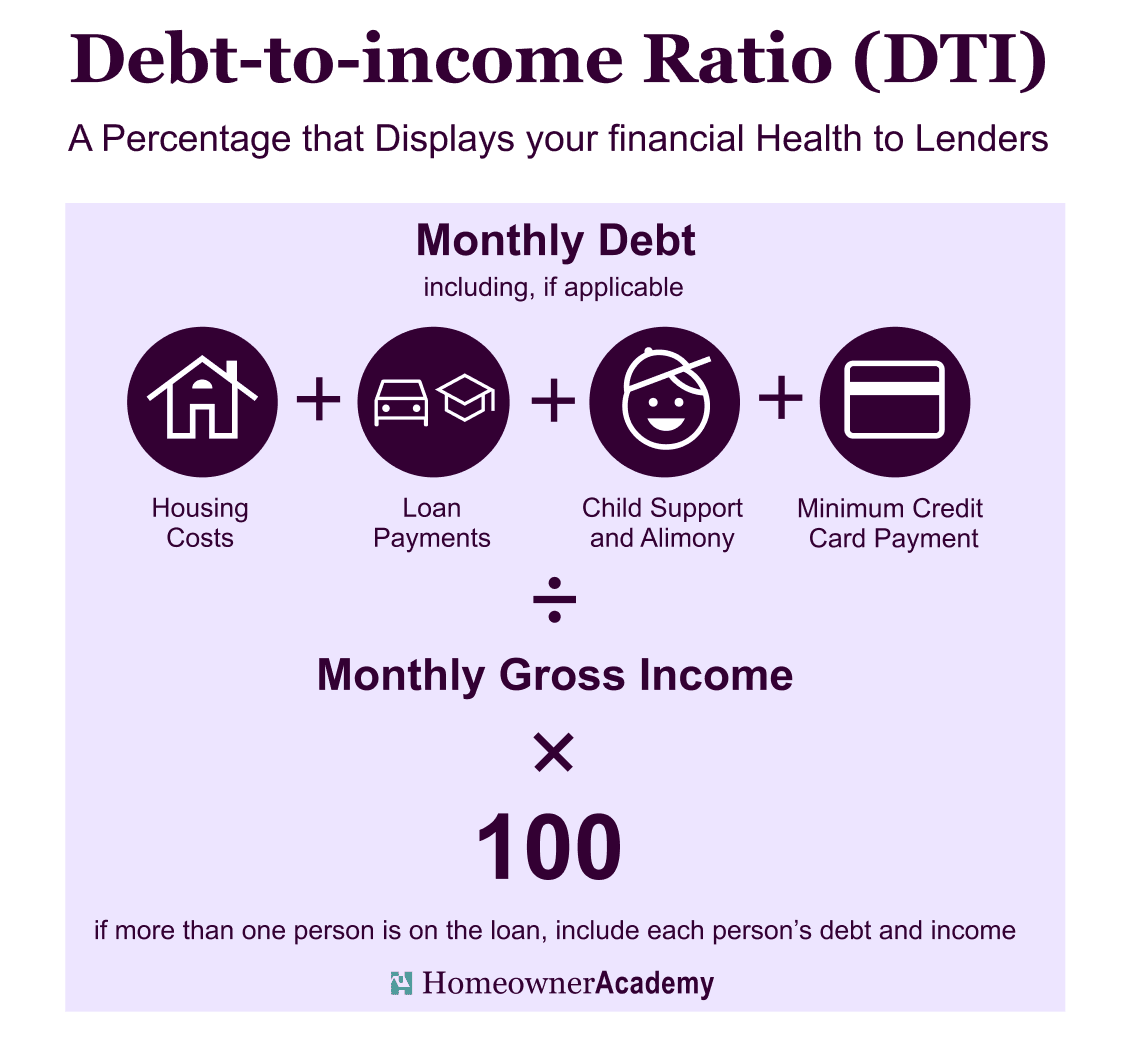
Your DTI compares how much money you make to how much you owe each month.
Formula: Monthly debt ÷ Monthly income x 100 = DTI
Examples of monthly debt:
Car payments
Student loans
Credit card payments
Personal loans
Minimum required payments
Most lenders want a DTI of 43% or lower. Lower DTI = better chance of getting approved.
How Much House Can You Afford?
A simple rule many first-time buyers use:
Your total monthly home payment should be around 25%–30% of your monthly income.
Your home payment includes:
Mortgage
Taxes
Insurance
(Sometimes) HOA fees
(Sometimes) PMI
This helps make sure your budget stays comfortable.
How to Build a Budget for Buying a Home
Use this simple plan to get started:
List your monthly income
List your monthly bills and debts
Plan for savings
Add room for home expenses
Decide how much you can comfortably spend on a monthly payment
Budgeting helps you know when you’re ready and what price range fits your life.
How to Save Money for a Home
Here are small steps that help over time:
Set a monthly savings goal
Put savings in a separate account
Track spending for one month
Use cash-back or rewards programs
Put bonuses or tax refunds into savings
Cut 1–2 small expenses (subscriptions, eating out, etc.)
You don’t need to save everything at once — small steps build up.
How Credit and Budget Affect Your Mortgage
Both matter for different reasons:
Credit score affects your interest rate and loan approval
DTI affects how much you can borrow
Budget helps you choose the right home payment
Savings affects your down payment and closing costs
Improving even one of these can make the whole homebuying process easier.
Summary
Your credit, debt, and monthly budget all work together when buying a home. You don’t need perfect credit or huge savings — you just need a clear plan. Focus on improving your score, lowering your debt, and building a simple budget to stay on track.
Explore more guides in the Buying Basics and Mortgages sections, or try the Home Readiness Check™ to see where you stand today.